
Part 1: Understanding Air Receiver Tanks – Functions and Benefits

What is an Air Receiver Tank?
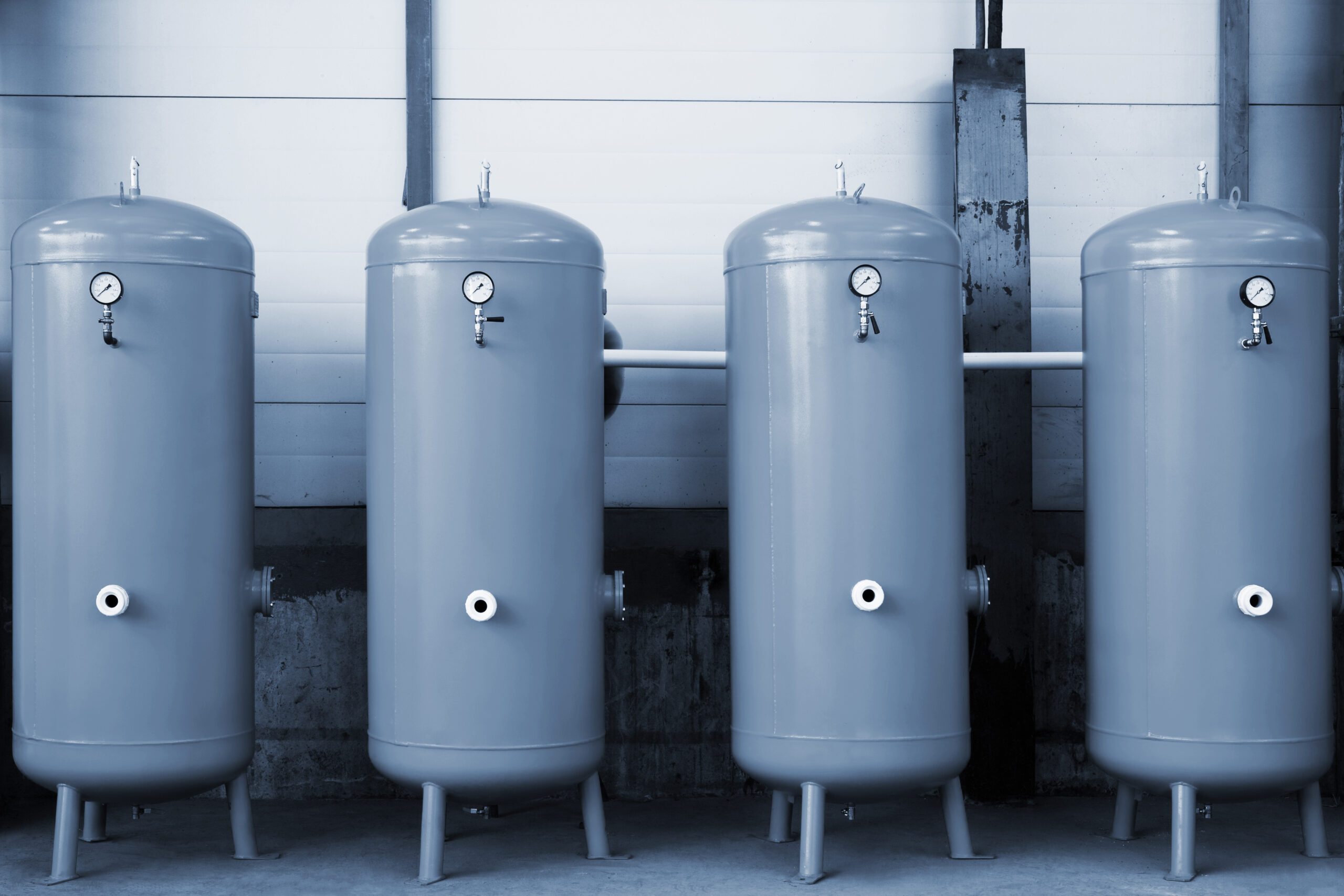
An air receiver tank is a critical component in compressed air systems, functioning as a buffer between the air compressor and the point of use. It serves as a storage reservoir, accommodating fluctuations in air demand while optimizing system efficiency. These tanks also aid in stabilizing pressure, mitigating pulsations from reciprocating compressors, and improving overall pneumatic performance.
Key Functions of Air Receiver Tanks
- Compressed Air Storage – The air receiver tank provides a reserve of compressed air, ensuring that fluctuations in demand do not impact system performance. This is particularly useful in applications with intermittent or cyclic air usage, as the tank compensates for sudden spikes in demand.
- Pressure Regulation and Load Stabilization – The tank acts as a dampener, absorbing pressure surges from the compressor and delivering a more uniform air supply to downstream equipment. This function reduces the frequency of compressor cycling, thereby increasing operational stability and efficiency.
- Moisture Separation and Contaminant Removal – As compressed air expands within the tank, its velocity decreases, causing entrained moisture and particulates to settle out. A properly designed receiver tank includes a drain valve at the bottom to facilitate periodic removal of condensate, preventing corrosion and ensuring cleaner air downstream.
- Reduction of Energy Consumption – By minimizing compressor start-stop cycles, an adequately sized air receiver tank reduces energy consumption and wear on the compressor. This leads to lower operational costs and increased equipment longevity.
Technical Benefits of Air Receiver Tanks
- Improved System Efficiency – By acting as a storage buffer, air receiver tanks prevent excessive pressure fluctuations, maintaining consistent pressure across the system and reducing strain on the compressor.
- Extended Compressor Life – The reduction in compressor cycling decreases mechanical wear and heat generation, extending service life and reducing maintenance requirements.
- Optimized Control System Operation – In automated compressed air systems, receiver tanks help maintain steady pressure, allowing pressure switches and regulators to operate more effectively.
- Enhanced Air Quality – The tank acts as a settling chamber for moisture and particulate matter, improving the quality of compressed air before it reaches critical applications such as precision pneumatic tools and instrumentation.
Industrial Applications of Air Receiver Tanks
- Manufacturing & Automation – Supports CNC machinery, robotic systems, and other automated pneumatic applications requiring stable air pressure.
- Automotive Industry – Powers impact wrenches, spray guns, and tire inflation systems.
- Construction & Heavy Equipment – Provides a steady compressed air supply for jackhammers, drills, and sandblasting equipment.
- Food & Beverage Processing – Ensures consistent airflow for pneumatic actuators and air-powered conveyor systems while maintaining hygiene standards.
- Medical & Pharmaceutical – Delivers clean, moisture-free air for oxygen generation, laboratory instruments, and surgical tools.
Air receiver tanks are indispensable components in compressed air systems, providing pressure stabilization, efficiency enhancements, and improved air quality.
What’s Next in Part 2?
In the next part of this series, we will explore the different types of air receiver tanks, including vertical and horizontal configurations, wet and dry tanks, and key factors to consider when selecting the appropriate size and material for your specific application.
