
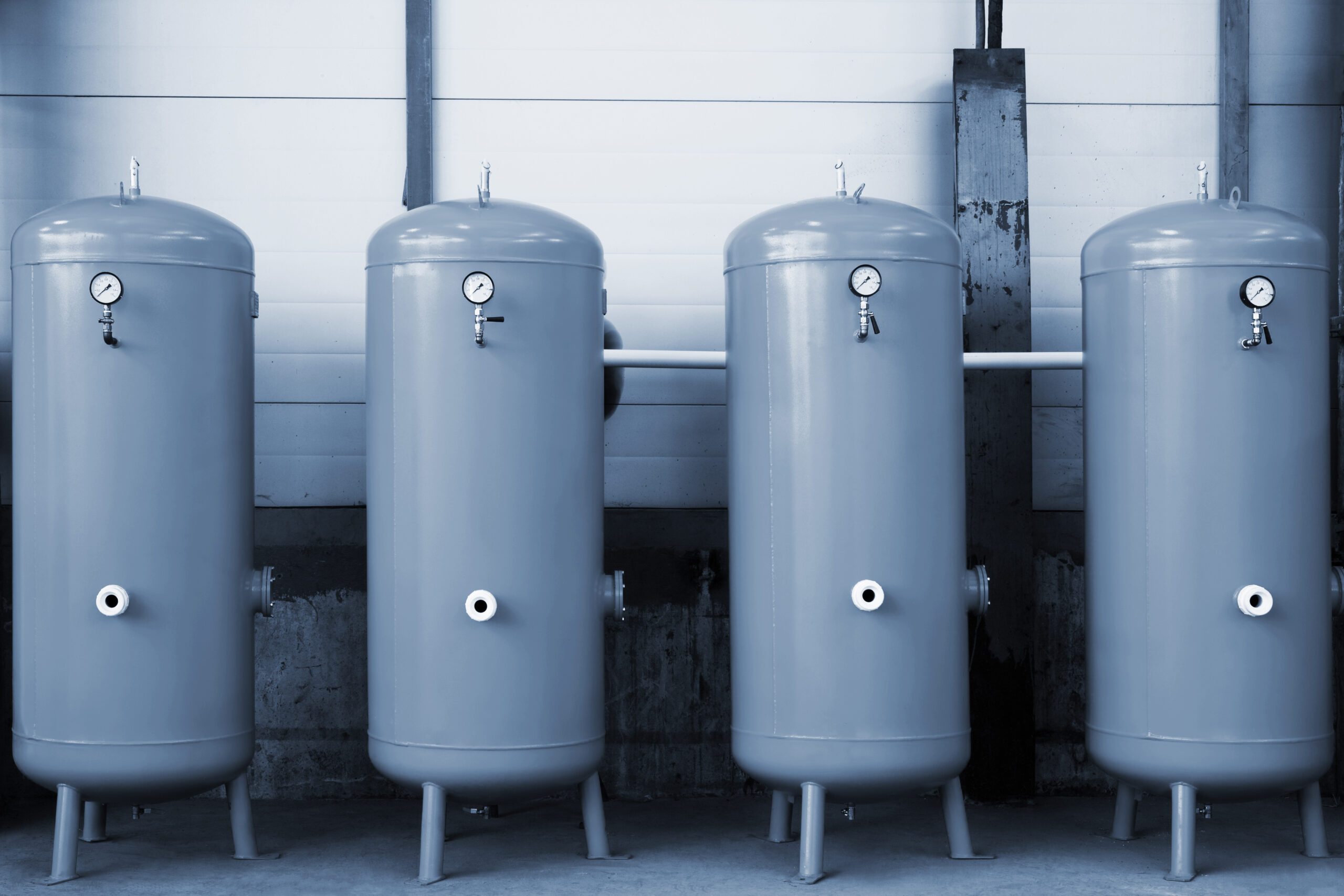

What is a Pneumatic System?
A pneumatic system is a mechanical system that uses compressed air to generate motion and perform work. It consists of components such as air compressors, air cylinders, valves, regulators, and hoses, which help control and direct airflow. Pneumatic systems are widely used in industrial automation, manufacturing, healthcare, construction, and transportation due to their reliability, cost-effectiveness, and efficiency.
How Do Pneumatic Systems Work?
Pneumatic systems function by:
- Compressing Air – An air compressor takes in atmospheric air and compresses it to a higher pressure.
- Storing Air – The compressed air is stored in a reservoir or air tank until needed.
- Regulating & Directing Airflow – Valves and regulators control how much air is delivered to actuators or tools.
- Performing Work – The high-pressure air powers actuators, cylinders, or tools to create mechanical motion.
Unlike hydraulic systems, which use liquid fluid, pneumatics relies on clean, dry air, making it ideal for applications where contamination is a concern.
Where Are Pneumatic Systems Used?
1. Manufacturing & Industrial Automation
Pneumatics plays a crucial role in factory automation. It powers robotic arms, air-operated tools, assembly lines, and conveyor systems. Industries like automotive, electronics, and packaging rely on pneumatic actuators for efficient material handling and product assembly.
2. Automotive & Heavy Vehicles
- Pneumatic braking systems are used in trucks, trains, and buses due to their reliability and safety.
- Auto repair shops use pneumatic tools such as air wrenches, lifts, and paint sprayers for faster service.
3. Healthcare & Medical Applications
- Ventilators and oxygen delivery systems depend on compressed air to function safely.
- Dental drills and surgical tools use pneumatic power for precise and controlled operation.
4. Construction & Power Tools
- Jackhammers, nail guns, and pneumatic drills provide high power and efficiency on job sites.
- Unlike electric tools, pneumatic tools are lightweight, durable, and safer to use in hazardous environments.
5. Food & Beverage Processing
- Pneumatics ensures hygienic automation in food packaging, bottle filling, and product sorting.
- Compressed air is preferred as it eliminates the risk of oil contamination that can occur in hydraulic systems.
6. Aerospace & Aviation
- Aircraft use pneumatic systems for landing gear operation, cabin pressurization, and control mechanisms.
- Pneumatic actuators play a role in door operation and braking systems in aircraft and other transportation sectors.
Why Are Pneumatic Systems So Popular?
Several key advantages make pneumatics a go-to choice in industrial and commercial applications:
? Reliability & Low Maintenance – Fewer moving parts mean reduced wear and tear compared to hydraulic or electric systems.
? Cost-Effective – Compressed air is cheaper than hydraulic fluids, and pneumatic components are generally more affordable.
? Fast & Efficient – Pneumatic actuators provide quick response times, improving automation speeds.
? Safer Than Hydraulics – No risk of leaks or contamination, making pneumatics ideal for food, medical, and cleanroom environments.
? Environmentally Friendly – Since pneumatics uses air instead of oil, there’s no hazardous waste or fluid disposal issues.
Pneumatics vs. Hydraulics: Which One is Better?
| Feature | Pneumatics | Hydraulics |
|---|---|---|
| Medium Used | Compressed Air | Liquid (Oil or Water) |
| Cost | Lower | Higher (Fluids & Maintenance) |
| Maintenance | Low | High (Leaks, Contamination) |
| Safety | High (No Risk of Fire or Spills) | Moderate (Oil Leaks Can Be Hazardous) |
| Power Output | Moderate (Up to 150 psi) | High (Up to 10,000 psi) |
If you need high power and force, hydraulics is the better choice. However, if you prioritize speed, safety, and cost-efficiency, pneumatics is the superior option.
Frequently Asked Questions (FAQs)
1. What is a pneumatic system used for?
Pneumatic systems power tools, machines, and automation systems in industries such as manufacturing, healthcare, construction, and transportation.
2. Are pneumatic systems better than hydraulic systems?
Pneumatics is faster, safer, and more cost-effective, while hydraulics provides higher force and power output. The choice depends on the application.
3. How efficient are pneumatic systems?
Pneumatics offers fast response times and low maintenance costs, but air compression can lead to energy loss. Proper system design can improve efficiency.
4. What industries rely on pneumatics the most?
Industries such as automotive, food processing, pharmaceuticals, aerospace, and industrial automation heavily depend on pneumatic systems.
Final Thoughts
Pneumatic systems have become an essential part of modern industry and automation, offering cost-effective, reliable, and safe solutions for various applications. Whether in manufacturing, healthcare, or construction, compressed air continues to be a versatile and indispensable power source.
As industries continue to advance, the demand for pneumatic solutions will only grow. If you’re looking for high-quality pneumatic equipment, choosing the right air compressors, regulators, and actuators is crucial for maximizing performance and efficiency.
